
By Nat Kennedy, PhD student at UQAM
A constant battle for anyone living or working on the water is biofouling: the longer any structure, from boats to buoys, remains in the water, the more that life is able to accumulate on its submerged surfaces. First come bacteria and algae, and soon seaweeds and small invertebrates will follow. Before long, any surface that stays submerged in the ocean for long enough becomes its own little reef! This process (called biofouling) increases drag on vessels, and it can damage infrastructure. Furthermore, organisms growing on the hulls of shipping vessels can become invasive as they’re spread throughout global trade routes.
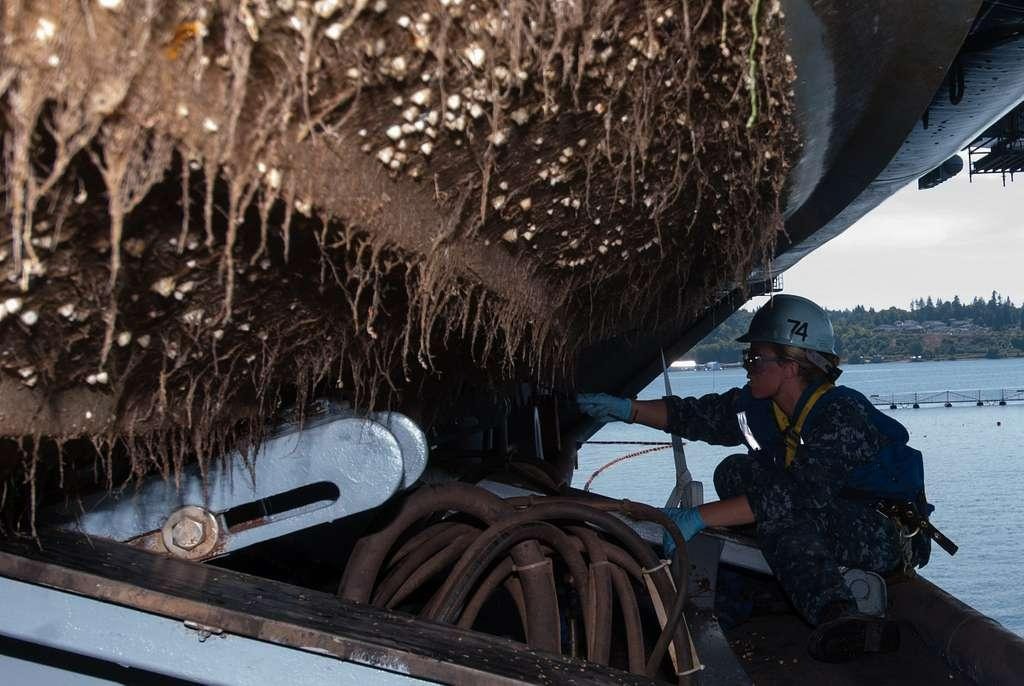
While biofouling is a bane for industries across the world, it also enables one of my favourite hobbies: dock fouling.
Floating docks are found all around my hometown of Victoria, British Columbia (as in most coastal cities). These docks create a stable, protected habitat for an entire ecosystem of biofouling organisms. Horizontal, floating structures that stay in one place are non-existent in nature, so the habitats created by floating docks are extremely novel, leading to unique epiphytic communities developing on and around them (Holloway and Connell, 2002). In combination with the static support pilings that host their own separate communities, urban marinas can be overlooked oases of biodiversity.
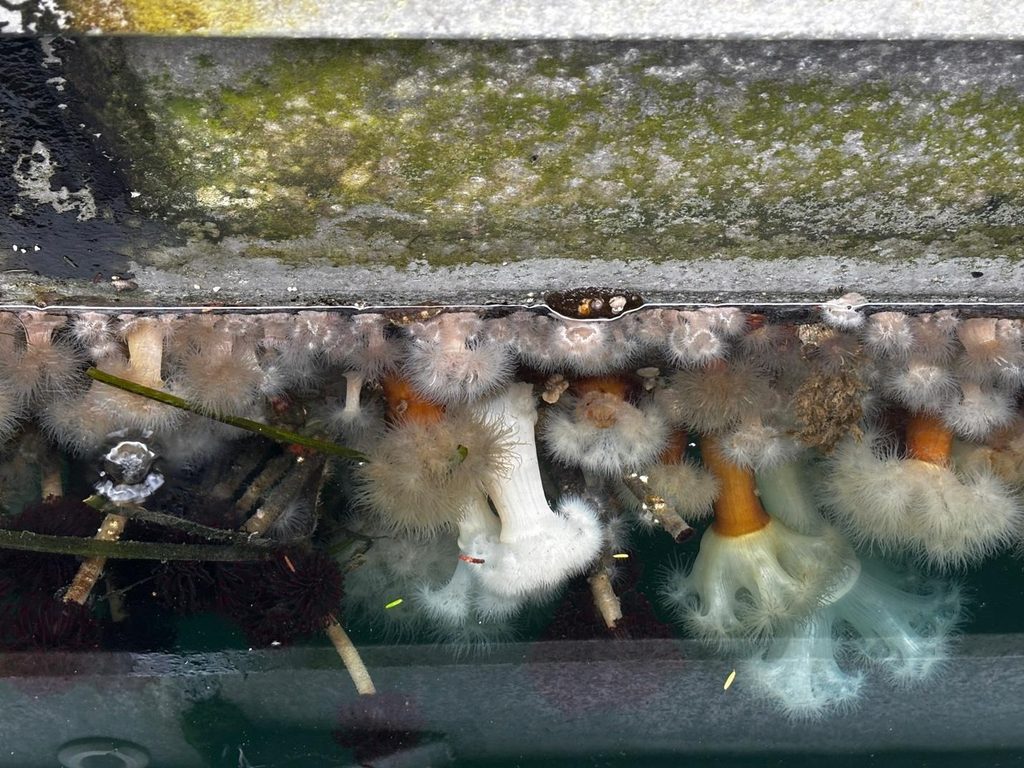
For me, marinas create a floating free aquarium where I can see incredible animals without having to touch a snorkel or a scuba tank. My favourite activity when I visit home is tide pooling, but it is dependent on the tide schedule, which doesn’t always cooperate with my visit. Plus, the intertidal zone can be slippery and difficult to access for some people. Dock fouling around marinas is free and accessible to anyone, no matter the tides, and the life growing off these docks can be beautiful if you just take the time to look.
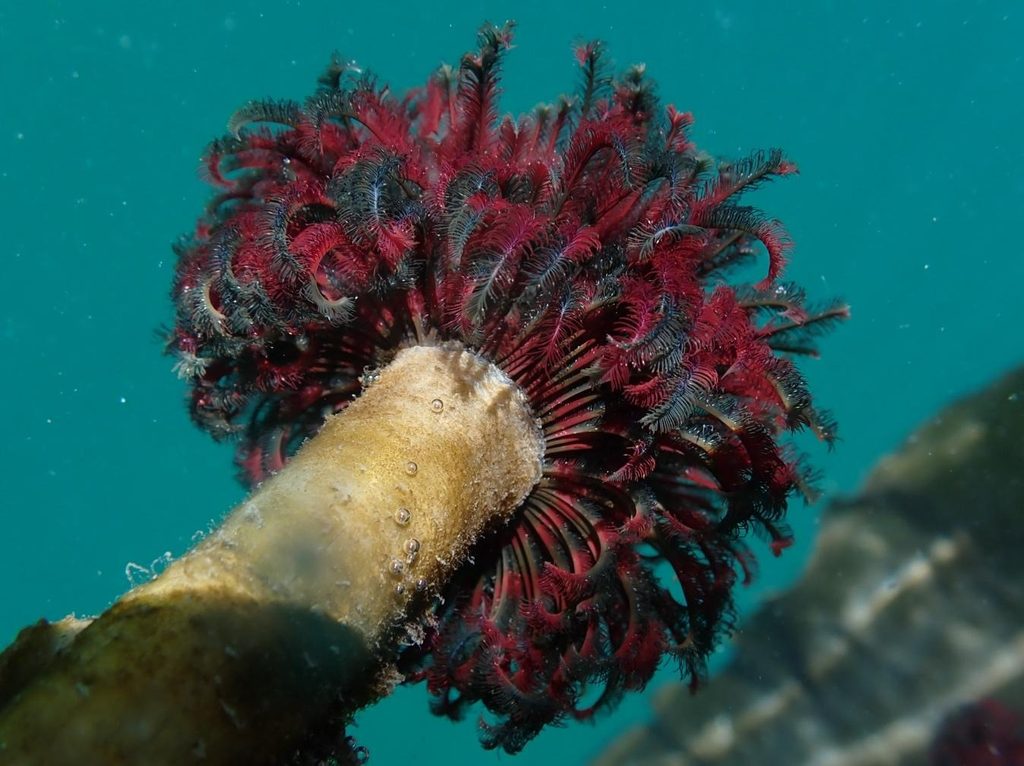
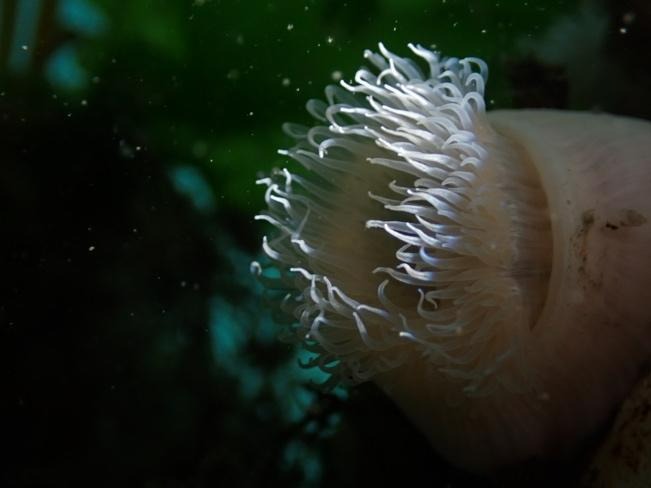
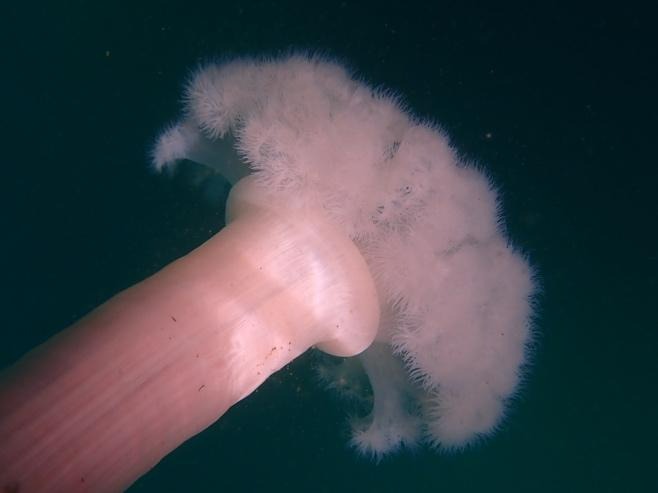
An inventory of floating structures from 5 cities in British Columbia coast identified 174 macroinvertebrate taxa that can be found in these novel habitats (Lu et al., 2007), but the number is likely greater than that. Very little research seems to have been done on the biodiversity of dock ecosystems, which is a shame.
Based on iNaturalist data, there are at least 28 species of fish and over 100 invertebrate taxa observed in the Oak Bay marina alone (where many of my photos were taken). This includes anemones, tubeworms, shrimp, crabs, tunicates, seastars living on the docks, as well as benthic invertebrates like jellies or sea butterflies that have been spotted floating through the marina waters (iNaturalist, 2026).
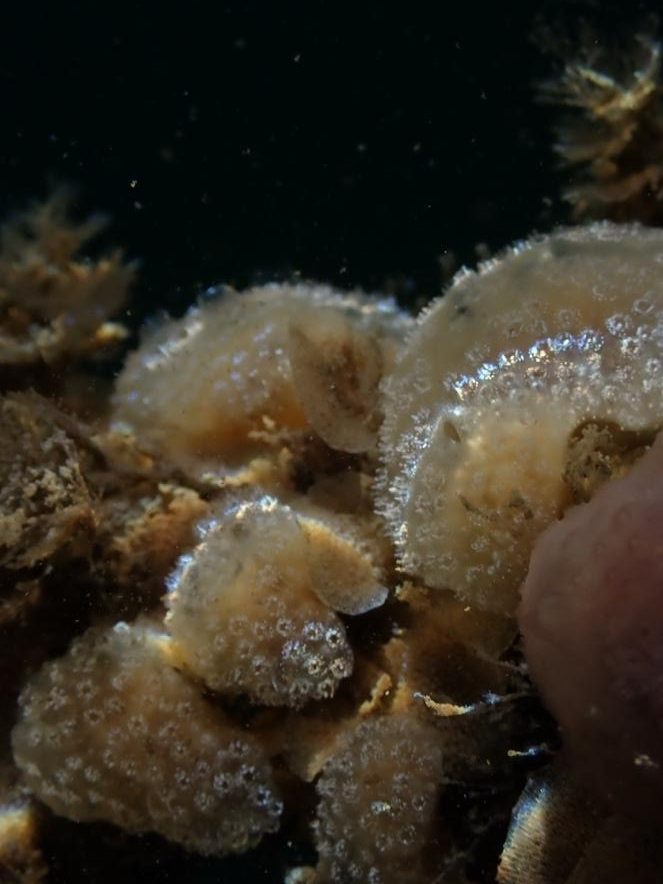
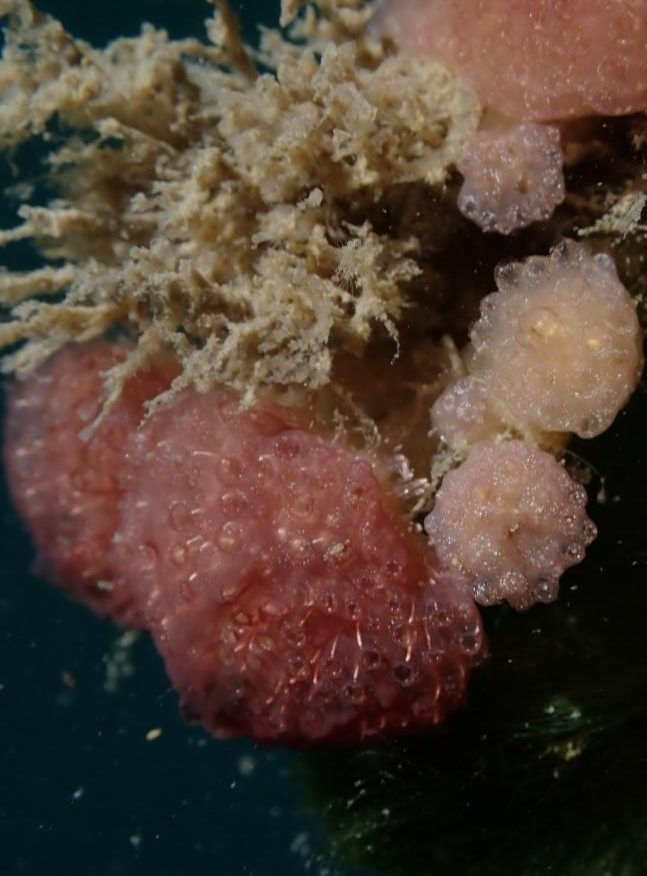
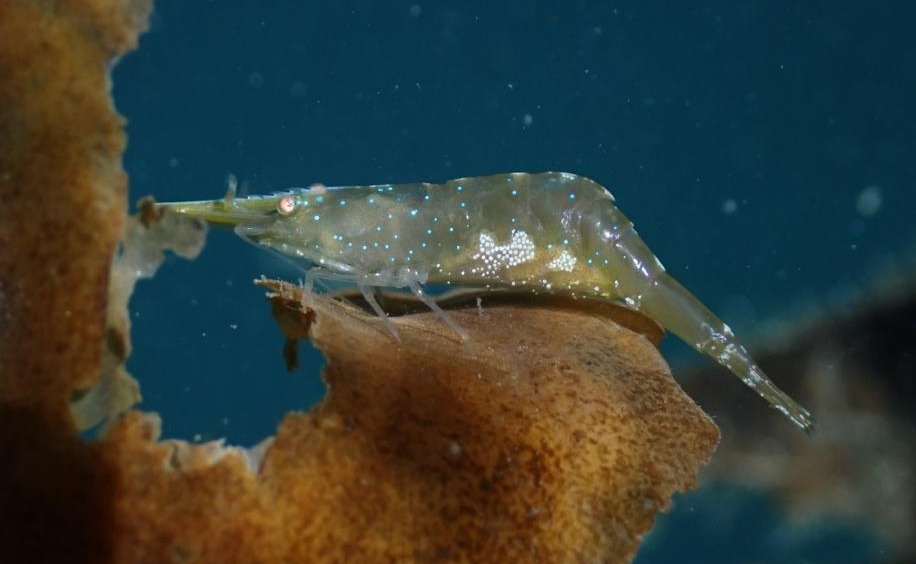
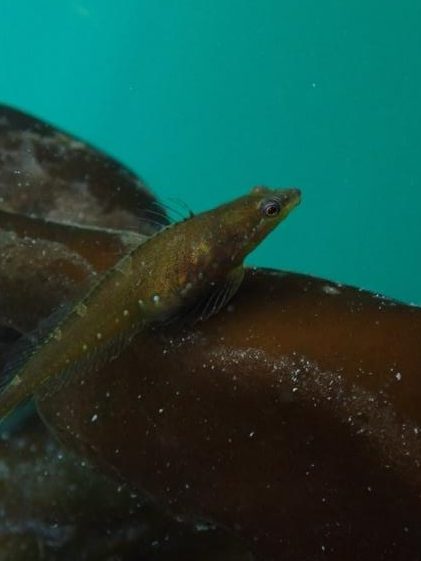
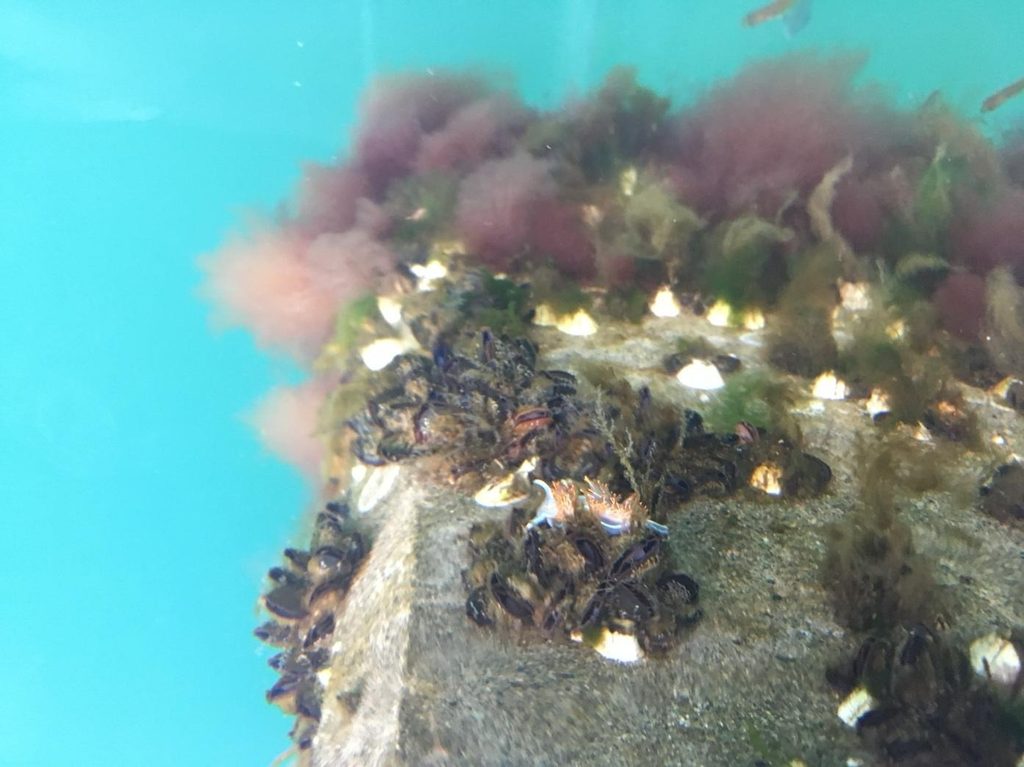
I encourage anyone visiting a coastal region to take a look at what’s growing off of the local docks. The diversity is surprising and often beautiful. You also tend to be rewarded the longer and closer you look; much of the life only becomes apparent after a few minutes of careful observation and keeping an eye out for tiny movements. Watching the barnacles feed is one of my favourite details, but most people will never notice it! A waterproof phone case or even a sturdy Ziploc bag can further enhance the experience, as many of the colours and finer details of dock fouling organisms can be hard to see on a breezy day (just don’t forget to use a wrist strap!).
About the Author
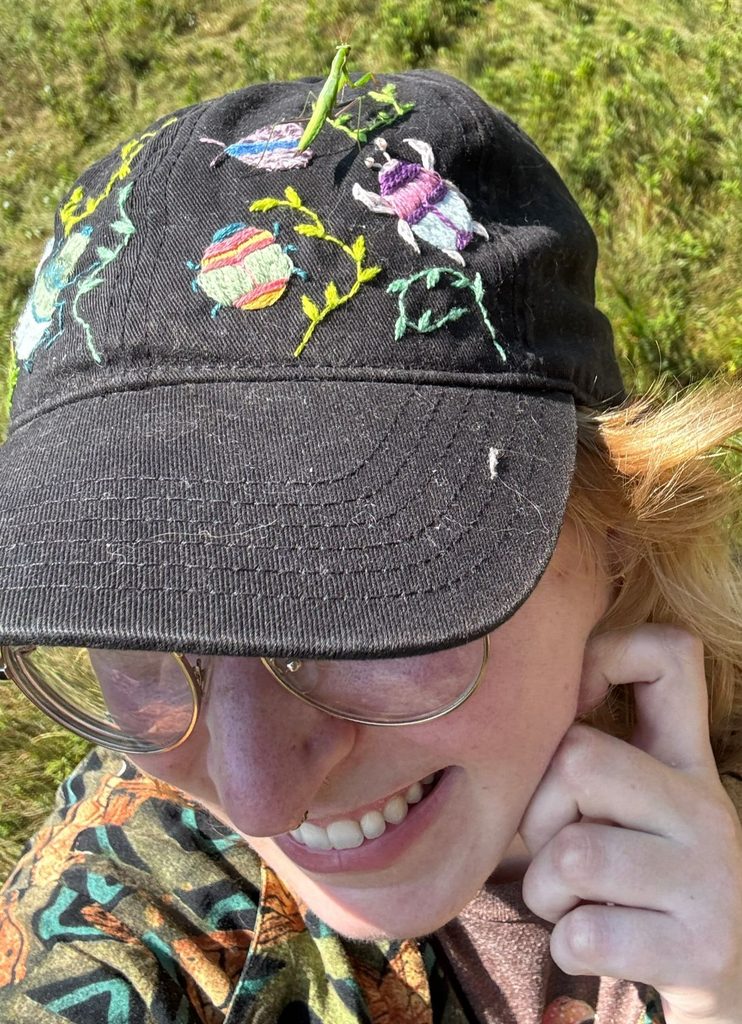
Nat Kennedy is a fourth-year PhD student in the Handa lab (UQAM). They are studying the impact of urban forest management practices on soil invertebrate communities. Despite being all in on bugs, their first love was the ocean! Trips to the beach are a serious affair, and they will structure entire vacations around low tide schedules. Find more cool tiny creatures on their Instagram! @send.nudibranchs


0 Comments