Par Derek Duplessis, étudiant à la maîtrise à l’Université de Sherbrooke
En décembre 2025, j’ai eu la chance de participer à l’édition hivernale du congrès annuel de l’Association for the Study of Animal Behaviour (ASAB) à Édimbourg en Écosse, où j’ai présenté mon projet de recherche de maîtrise. Cette conférence rassemble des écologistes sur les avancées récentes en comportement animal.
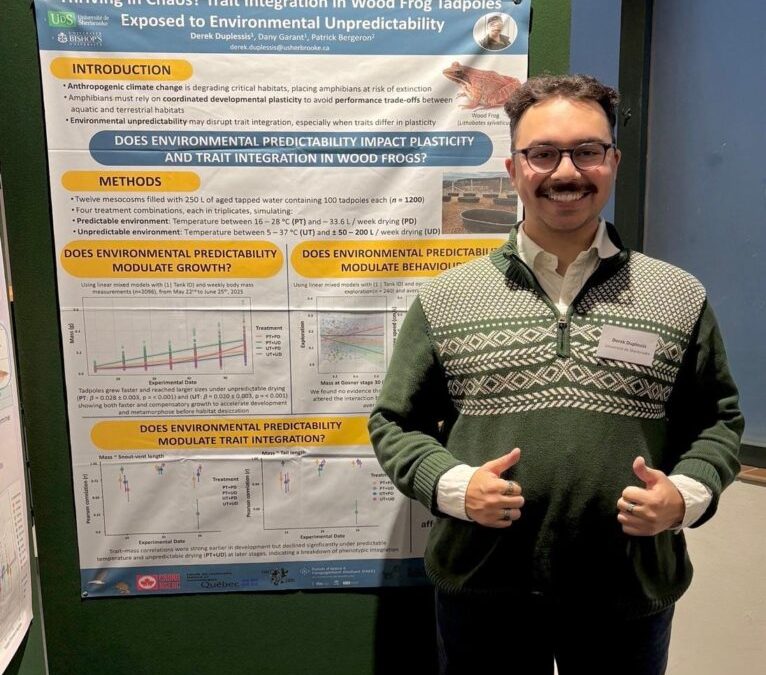
J’ai présenté mon projet de recherche lors de l’une des sessions d’affiches. Celui-ci porte sur les effets de la prévisibilité environnementale sur la plasticité développementale et l’intégration des traits chez la grenouille des bois (Lithobates sylvaticus). En utilisant un système expérimental de mésocosmes, où nous manipulons la vitesse d’assèchement et la température de l’eau, nous mesurons des traits morphologiques et comportementaux durant le développement larvaire de la grenouille des bois. Notre recherche démontre l’importance de considérer la prévisibilité des conditions environnementales pour prédire le potentiel adaptatif des amphibiens dans un contexte de changements climatiques.
Cette présentation m’a offert l’occasion d’avoir plusieurs discussions approfondies avec d’autres étudiants et professionnels du domaine, lesquelles m’ont apporté des perspectives nouvelles et enrichissantes, contribuant directement à l’avancement de ma recherche.
Présentation de mon projet de recherche par affiche au congrès ASAB
Le thème de cette conférence portait sur l’écologie sensorielle, un champ de recherche qui s’intéresse à la manière dont les organismes perçoivent leur environnement et utilisent l’information sensorielle, comme la vision, le goût, l’ouïe et le toucher, pour influencer leurs comportement, leurs interactions et leurs stratégies adaptatives. Les présentations mettaient en lumière l’importance du point de vue du récepteur, en soulignant que les signaux produits par les organismes ne prennent tout leur sens qu’à travers les capacités perceptuelles des espèces qui les reçoivent.
Parmi les communications qui ont particulièrement retenu mon attention, plusieurs portaient sur les mécanismes de camouflage. Les chercheurs y exploraient comment l’information sensorielle façonne l’efficacité du camouflage face à différents prédateurs, en tenant compte de leurs systèmes perceptifs spécifiques. Ces travaux abordaient notamment la façon dont certains insectes et lézards ajustent leur coloration, leurs motifs ou leur posture pour se fondre dans leur environnement, ainsi que les stratégies sophistiquées d’invertébrés marins, comme les pieuvres, capables de modifier rapidement leur apparence en fonction du contexte visuel et sensoriel. Ensemble, ces études illustraient la complexité des interactions entre perception, environnement et évolution des stratégies anti-prédatrices.
Salle de conférence où avaient lieu les plénières et les présentations
À la suite de la conférence, j’ai profité de l’occasion d’être en Écosse pour explorer ce pays complètement magique. En compagnie de collègues, j’ai visité plusieurs lieux dignes de cartes postales, riches en histoire et en paysages spectaculaires. L’architecture, datant de siècles, bien avant même la découverte du Québec, témoigne d’un passé profondément ancré dans le territoire. Entre châteaux anciens, routes sinueuses bordées de landes, et une faune presque mystique, l’Écosse offre un mélange fascinant de nature, de culture et d’histoire.
Le château d’Eilean Donan, construit au XIIIᵉ siècle.Rouge-gorge familier (Erithacus rubecula)
Je suis très reconnaissant envers le QCBS pour son soutien à ma participation à cette conférence internationale. Cette expérience m’a non seulement permis de faire avancer mon parcours académique en créant des liens précieux, mais aussi de découvrir les magnifiques paysages écossais. Un pays qui, à bien des égards, rappelle le Québec, tant par ses paysages que par son identité, et dont l’histoire continue de s’écrire.
À propos de l’auteur:
Derek Duplessis est étudiant à la maîtrise à l’Université de Sherbrooke, sous la codirection de Dany Garant et de Patrick Bergeron (Bishop’s University). Il étudie les effets de la prévisibilité environnementale sur la plasticité développementale et l’intégration des traits chez la grenouille des bois.
By Julia Goss, master’s student at Université de Sherbrooke
In December 2025, I had the pleasure of presenting my master’s research at the Winter 2025 edition of the Association for the Study of Animal Behaviour (ASAB) conference, in Edinburgh, Scotland. This conference brought together behavioural ecologists from across the world to share their latest findings.
Edinburgh Castle
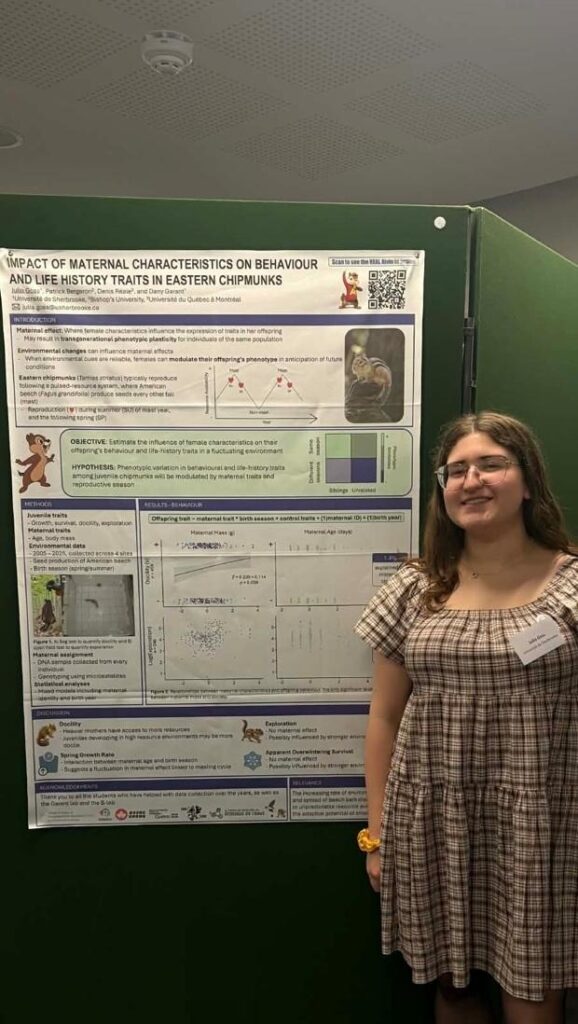
At this conference, I presented the latest results of my master’s project, looking into the impact of maternal characteristics, specifically age and mass at reproduction, on behaviour and life-history traits in Eastern Chipmunks (Tamias striatus) in a fluctuating environment. In southern Québec, chipmunks reproduce following the masting cycle of American beech (Fagus grandifolia) trees, resulting in two reproductive seasons, being the summer before a masting event, or the following spring. I was able to determine that heavier mothers produced more docile offspring, with greater growth rates than lighter mothers, and that older mothers produced offspring with greater growth rates when they reproduced in the spring but not in the summer. These results suggest maternal effects on certain behavioural and life-history traits in Eastern chipmunks, and that their development may be influenced by variations in resource availability. During the poster sessions, I was able to meet and discuss with many professionals in the field, gaining valuable insight and engaging in thoughtful discussions, which will help further my research. In particular, I met a student who was developing a new software to quantify different behaviours in fish, and discussed the possibility of modifying the software to work for a wider variety of taxa.
Presenting my results on maternal influence on juvenile traits in Eastern chipmunks at ASAB
This was a special edition of the ASAB conference, as it will be the last conference for Professor Innes Cuthill, a pioneer in the field evolution of animal camouflage, before his retirement. In his honour, the theme of the conference was how sensory information affects behaviour. There were so many interesting presentations about the influence of sight, sound, smell, taste, and touch, across the entire animal kingdom, from moths, to mantis shrimp, to lemurs. It was very enriching to learn about the advances in animal behaviour across the globe, and it was especially touching to see the impact that Professor Cuthill has had on the field of animal behaviour throughout his academic career.
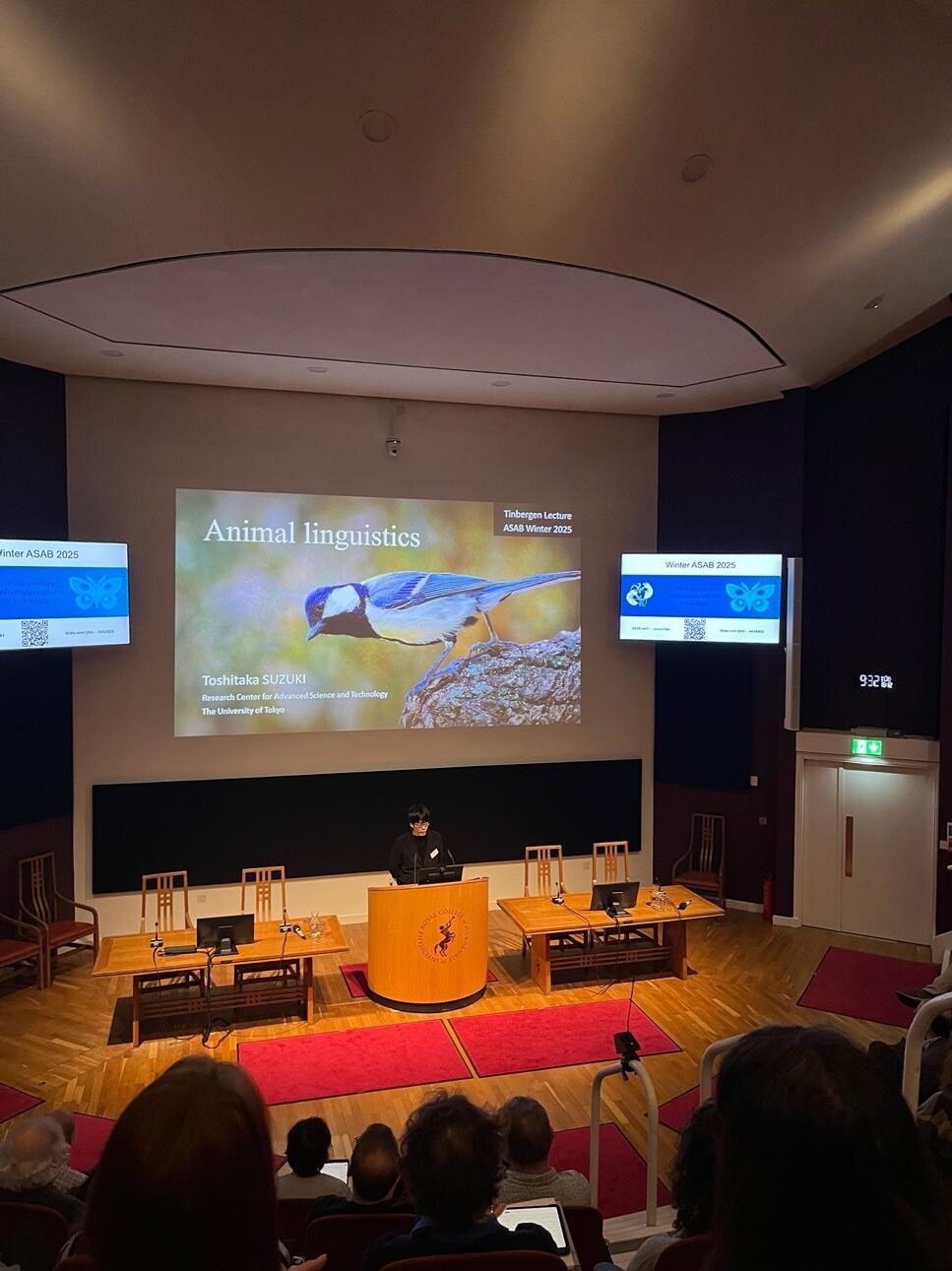
One of the highlights of the conference for me was the Tinbergen Lecture, given by Toshitaka Suzuki, founder of the world’s first laboratory researching animal linguistics. It was a very captivating talk where he shared all the different ways non-human animals communicate, in particular his groundbreaking work with the Japanese tit, showcasing how specific calls and movements have specific meanings.
Toshitaka Suzuki giving the Tinbergen lecture on Animal Linguistics
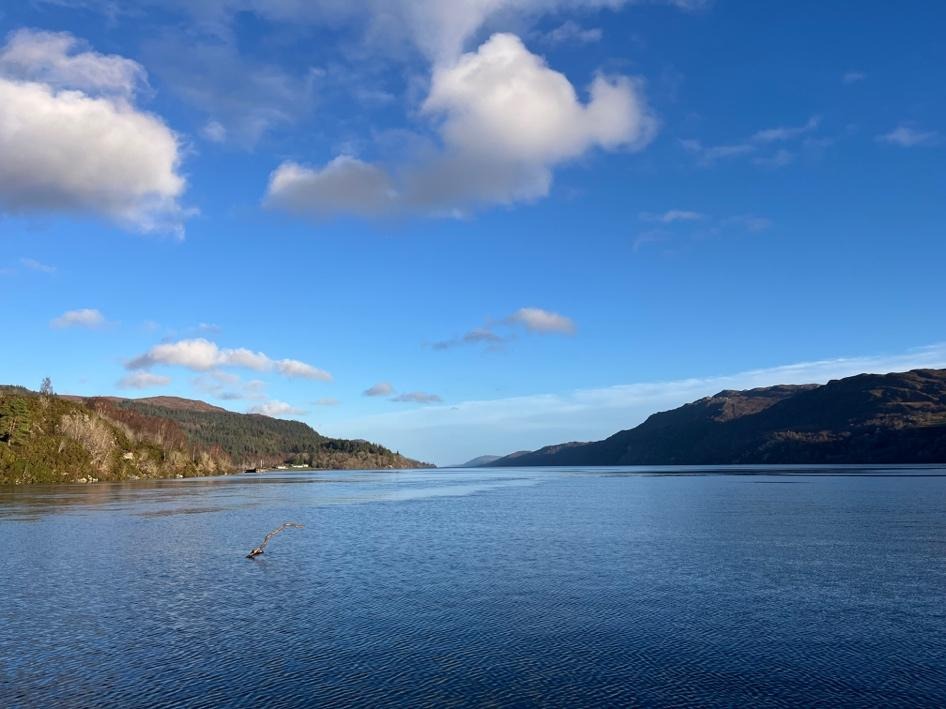
In addition to the conference activities, including nightly trips to local pubs, I took the opportunity to explore the beautiful Scottish scenery. As it was my first time in the United Kingdom, I fell in love with the culture and found the landscapes absolutely mesmerizing. I visited renowned locations around Edinburgh, such as the Edinburgh Castle, hiked Arthur’s Seat and Calton Hill, and, of course, visited the iconic Edinburgh Christmas markets, as well as toured the Scottish Highlands, stopping at the breathtaking mountains in Glencoe, the magical Isle of Skye, and searched for Nessie at Loch Ness.
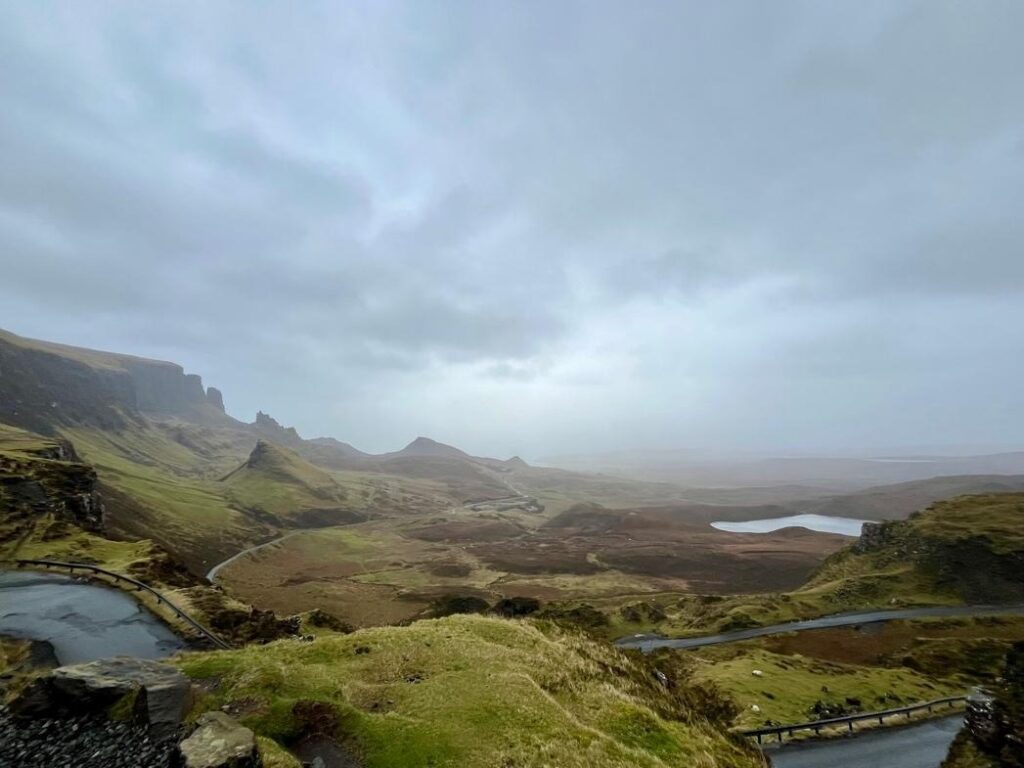
Views of Loch Ness, in InvernessView of the Quiraing, Isle of Skye
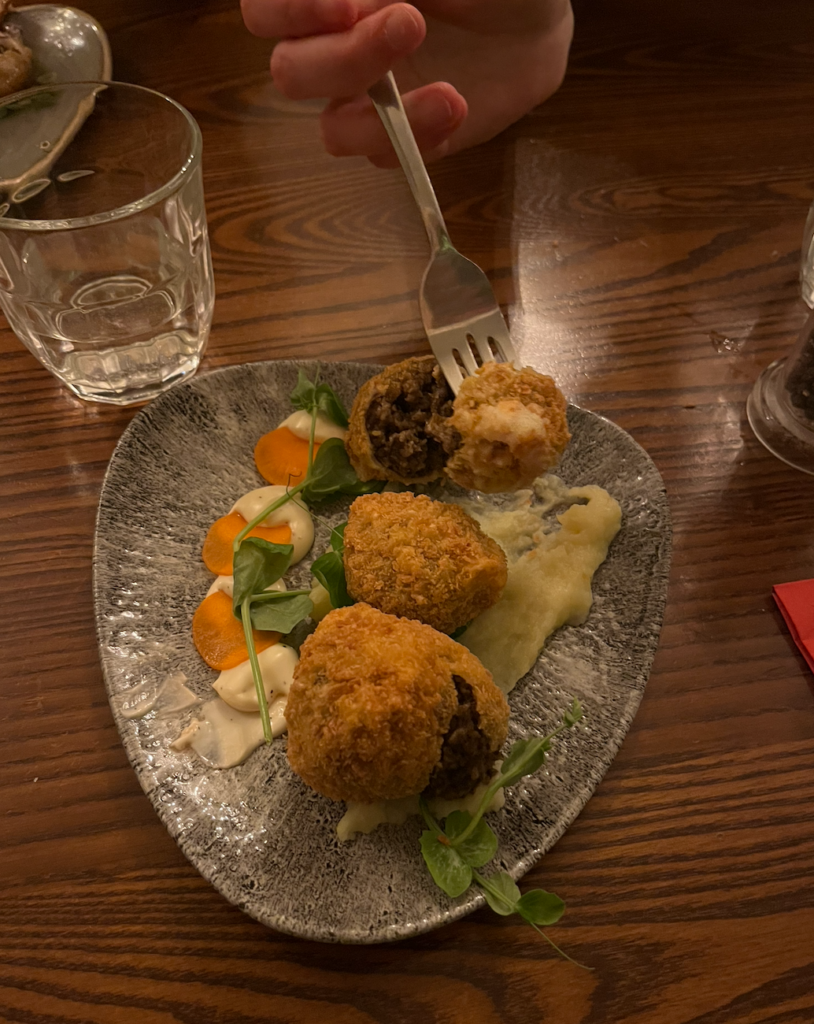
I am very grateful to the QCBS for supporting my participation at this international conference, which not only allowed me to further my academic career by creating valuable connections but also allowed me to experience the beautiful Scottish landscapes – and I even tried haggis!
Haggis – the national dish of Scotland composed of sheep’s heart, liver, and lungs
About the author:
Julia Goss is a master’s student at Université de Sherbrooke under the co-supervision of Dany Garant and Patrick Bergeron (Bishop’s University). She studies the influence of maternal characteristics on juvenile behaviours and life-history in Eastern chipmunks.
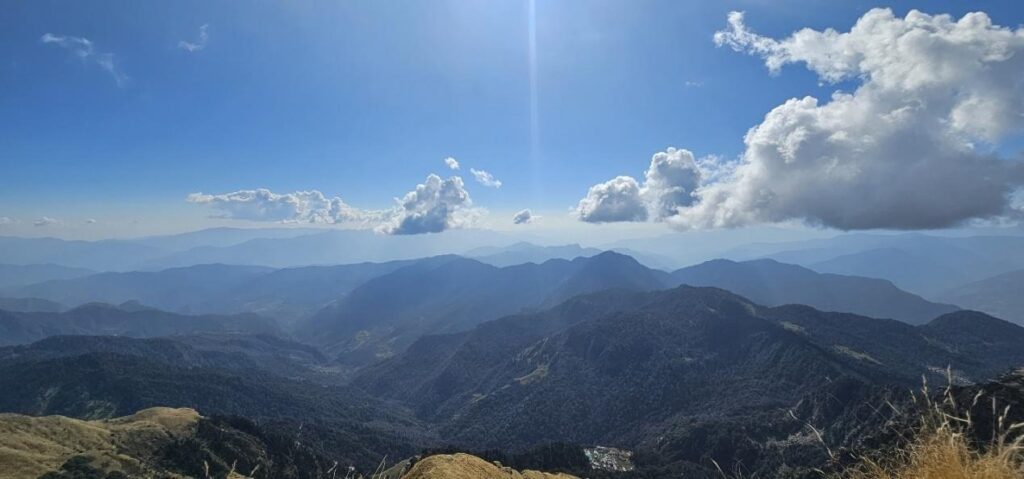
At 6 a.m., my alarm would go off in João Pessoa, Brazil. On rehabilitation days, this meant rushing to the rescue center to prepare enrichment experiments before the capuchin monkeys’ (Sapajus spp.) breakfast was served. By the time the sun was up, the humid air already hummed with insects, and I knew the day would be demanding. But demanding days were nothing new; during my previous fieldwork in the Indian Himalayas, I traded the enclosures for the forested mountains and valleys surrounding Mandal Village, where my colleagues and I would sometimes spend hours searching for and then watching a wild group of Langur monkeys (Semnopithecus schistaceus).
For nine months, I lived in these two worlds: one shaped by human care, the other ruled by monkey social dynamics. What struck me most was not the contrast, but the thread of resilience that tied the monkeys together.
My Time at the Rescue Center (June-August 2025)
We would arrive at the rehabilitation center by 7:30 a.m., oftentimes greeted by the calls of the group nearest the entrance. It took me a week to realize that these vocalizations were not random. They had learned to recognize our arrival, much like they did the caretakers who looked after them.Our main task was simple in principle but essential for their future; teaching the capuchins how to use stones as tools. In the wild, robust capuchins crack open hard palm nuts (e.g. Acrocomia aculeata) using stones as anvils and hammers. This was no small feat; many individuals were ex-pets or had been rescued after being injured, including one individual who was blind and others who were missing fingers. Some arrived at the center visibly stressed, yet we moved forward with the goal of teaching them to crack open the palm nuts with stones. To mimic this, we set two large stones inside each enclosure and gave the monkeys smaller hammer-like stones alongside macaíba nuts, whose pits (and outer shells) required cracking. At first, many of the monkeys ignored the setup or played with the stones and nuts, but gradually some began to use them as intended, especially as we progressed in our rehabilitation trials. Over time, the stones wore down under constant pounding and scraping and needed replacing, a sign of progress (we hoped).
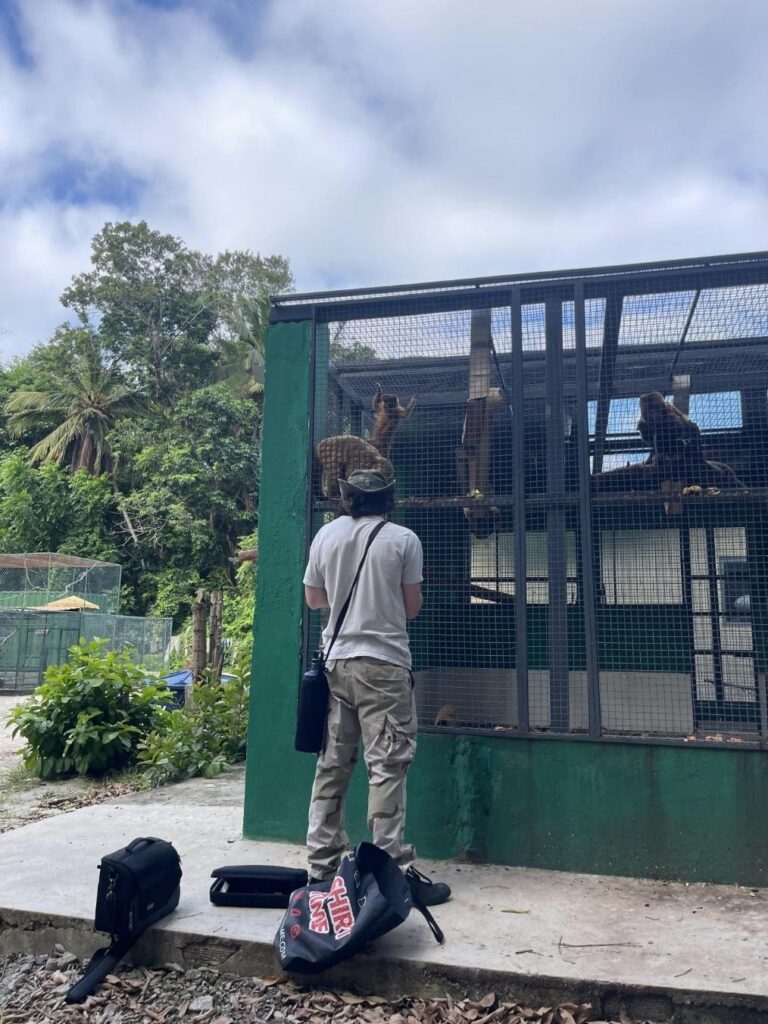
A photo of myself recording behavioural observations on the monkeys (Photo by Viviane de Oliveira)
Their diets were diverse and carefully managed. Staff fed them everything from bananas and grapes to carrots, sweet potatoes, and kiwis, alongside specialized monkey kibble. For our experiments, though, we focused exclusively on macaíba nuts. The nuts were a challenge, and challenge was the point. These nuts are eaten in natural conditions when the easy to access fruits are hard to find. They are the highly nutritious food that the monkeys must be able to fall back on in times of food scarcity, once they are released into the wild.
Life at the rescue center was not only about food. Cleaning days, on Mondays and Thursdays, meant no data collection in the morning, giving us a chance to sleep in or plan for the future phases of the experiment. Some days brought unexpected drama. A tarantula once wandered into an enclosure, promptly escorted out with a fishing net by a quick-thinking caretaker. Another time, a large blue beetle with one of the most painful stings in Brazil flew into a group’s space, only to be smashed by a male, Galego, wielding a stone, as if the bug were a macaíba nut.
Though I was always close to the monkeys, I was never allowed to touch or feed them. My role was observational, and to prepare food and tools, while the caretakers entered the enclosures to feed, clean, and provide the enrichment. It was a calm place, surrounded by green forest, filled with alternating bouts of quiet and calls of many animals. Despite the controlled environment, the resilience of the monkeys, many of whom were ex-pets or had been injured, was unmistakable.
My Time in the Garwhal Himalayas (July 2023 – January 2024)
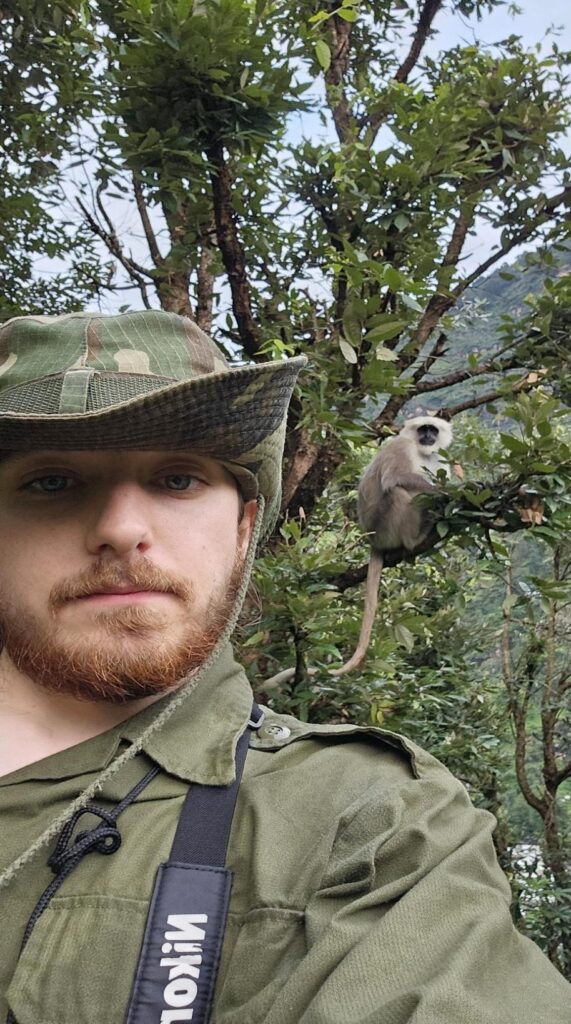
An adult female staring down at me as I took a selfie with her up in the tree (August, 2023)
After completing my undergraduate degree, I joined the Himalayan Langur Project as a volunteer field assistant to help track the group’s movement and assist a PhD student, Virendra, with data collection for his thesis. We aimed to understand how these monkeys utilized their habitat and the drivers and patterns behind their navigation. Finding the langurs each morning often meant going to where we saw them go to sleep the night before. Our guides, Suraj and Mohit, met us in different parts of the valley depending on where we last left the group. If the langurs had spent the night higher up the mountain, closer to Suraj’s village, we headed uphill. If they were nearer to Mandal Village, Mohit would take the lead. On good days, villagers pointed us in the right direction. On harder days, we climbed onto the roof with binoculars, scanning the slopes for langurs or for farmers chasing them out of their fields.
Compared to the capuchins in Brazil, who were always waiting for us in their enclosures, the langurs demanded patience. Their home spanned steep mountainsides, forest paths, farms, and village edges. At first, reaching them meant adjusting quickly to the altitude, the cold, and thin air. Some mornings were straightforward, a climb up stone steps along the Forest Chawky path. Others required hauling ourselves up slippery slopes in the Kunkuli Forest, gripping roots and saplings to avoid sliding backward down the mountain.
Once we found them, the pace of the day depended heavily on season and weather. In winter, mornings were slow. Langurs often sunbathed for long stretches, conserving energy before feeding. In summer, the day started fast. If we were not with them as the sun hit the group, they were already gone, moving quickly between feeding sites. During these periods, keeping up sometimes meant running uphill through the slippery forest as they traveled from one fertile patch to the next, including farms where crops were ripening. Once they happened upon ripe lemons or other fruits, they started to travel towards the other fruit patches, which were also ripening at the same time.
Diet shaped much of their daily rhythm. In colder months, they fed primarily on leaves and whatever forest foods remained, which encouraged longer resting periods and tighter huddling. In warmer seasons, fruit and crops became more important, and the group spent much more time moving, feeding, and navigating the boundaries between forest and farmland. On days marked by cold or rain, the group’s activity was more contained, whereas clear, warm days were associated with more extensive movement through their range.
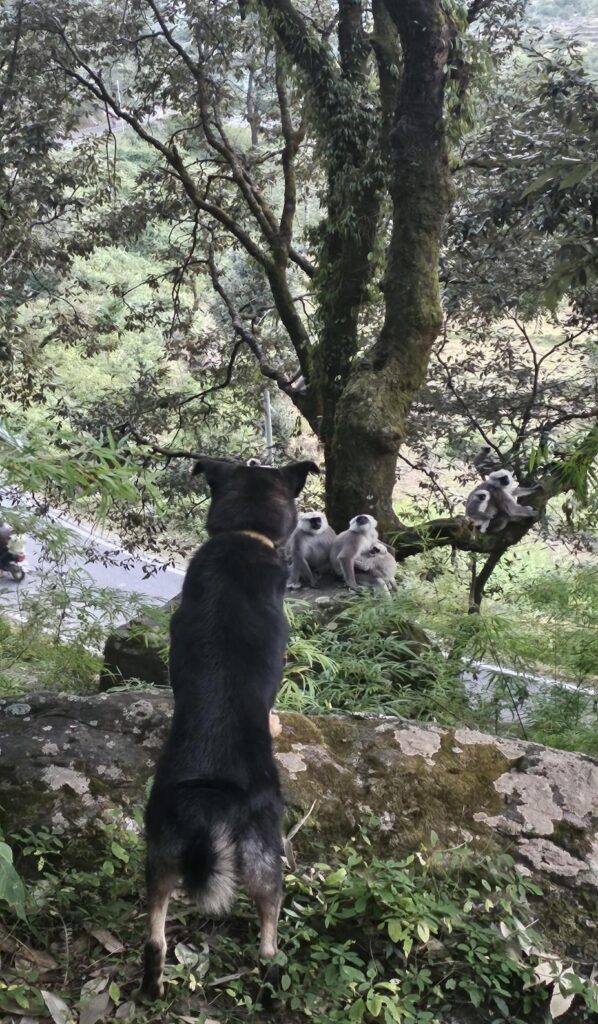
Socially, the group was large, reaching nearly seventy individuals, and highly coordinated. Some adult males appeared to take on consistent defensive roles. One male, Julio, was known for confronting dogs, while another, Hari 2, often lingered at the rear of the group as they moved. There were clear dominance hierarchies, with some individuals more deeply embedded in the group and others more vulnerable to being kicked out. Infants and juveniles were generally well cared for, but life in such close proximity to humans carries real risks.
We witnessed injuries and deaths. In one case, a female was pushed during a conflict while carrying her infant, who fell and died. She carried the body for weeks afterward before dogs eventually took it. In contrast, others survived severe injuries. One juvenile, Dawg, was attacked by a dog but was fiercely defended by an adult male, Gichu, who positioned himself between her and both people and dogs as she struggled to keep pace. By the time I left months later, her wounds had healed, and she was more than able to keep up.
A farm dog watches over some of the langurs before trying to scare them off
Human presence was constant. Villages, roads, and farms bordered nearly every part of the langurs’ range. While langurs are religiously significant in the region, they were also seen as a threat to livelihoods. The group learned to navigate this tension carefully. People were largely treated as a threat, and the langurs kept their distance accordingly, although our continued presence as researchers was eventually tolerated. The langurs would often forage on crops, and during these crop foraging episodes raids, their movements suggested coordination, with some individuals drawing attention while others fed.
Fieldwork in the Himalayas was physically demanding. We worked up to twelve hours a day, six days a week, often on steep, wet terrain. Cold temperatures, sharp vegetation (which was not fun to grab onto accidentally), and the constant risk of getting lost added to the challenge. One day, after taking a wrong turn and climbing far above the rest of the team, I watched a leopard chase a musk deer up the path less than fifteen feet from where I stood. Thankfully, it never noticed me, but moments like that leave a lasting impression of how much danger exists in these landscapes.
Comparing the Two Worlds
In both Brazil and India, my role was observational, but the context shaped how that observation unfolded. At the rescue center in Brazil, the capuchins were accustomed to humans. They recognized routines and responded to familiar staff, even attempting to engage with us despite the physical barriers. In the Himalayas, the langurs tolerated our presence but remained alert and responsive to every shift in sound or movement. Firecrackers, people yelling, and dogs barking all could send them fleeing to a new location.
What united these experiences was resilience, expressed in very different ways. The capuchins in rehabilitation were rebuilding lost skills, adjusting to social groups, and recovering from injuries or stress caused by captivity. The langurs, by contrast, were maintaining their way of life under constant pressure from shrinking habitats, human conflict, and environmental risk. One group was learning how to return to the wild. The other was actively negotiating survival within it.
Why Both Matter
Rehabilitation exists because habitat protection can fail. Many capuchins arrive at rescue centers as former pets or injured individuals, victims of deforestation and wildlife trafficking. Rehabilitation allows them to recover socially and behaviorally, increasing their chances of eventual release.
The langurs illustrate the other side of conservation. They are not waiting to be released. They are already there, adapting daily to human-dominated landscapes. Protecting habitats, managing human-wildlife conflict, and supporting coexistence are what determine their future. Without intact forests and tolerance, even the most resilient species will struggle.
What I Took Away
Living in these two worlds showed me that conservation must operate at multiple scales. At the rescue center, success depended on individual needs. A blind capuchin required a familiar enclosure yet would never be released into the wild. Others needed tolerant companions or targeted enrichment to build critical skills. In the Himalayas, success was collective. The langurs’ survival depended on coordination, vigilance, and the ability to navigate human-dominated space together.Across continents and species, the overall lesson was the same. Animals are remarkably adaptable, but behavioural plasticity and flexibility has limits. Resilience can carry a population far, but it cannot replace protected habitats, thoughtful management, and responsibility for the pressures we create. If we want these species to persist, we need to support both recovery and coexistence, as well as the biodiversity in the ecosystems they depend on, not one at the expense of the others.
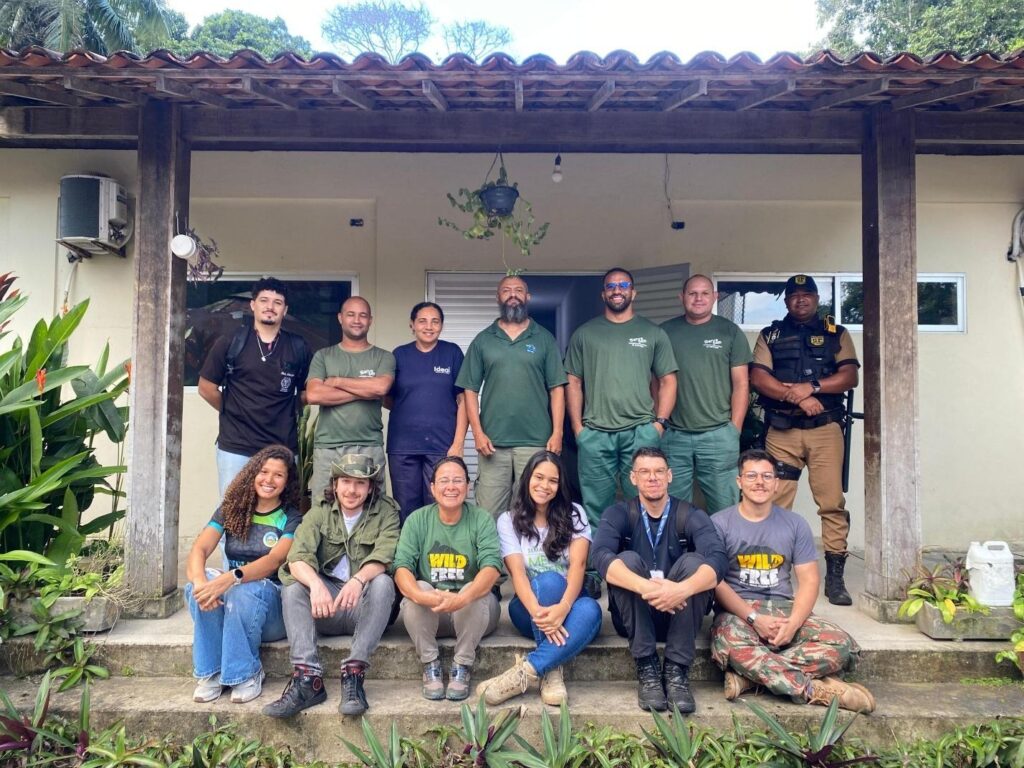
A picture from my last day at the rescue center with many of the staff and most of my coresearchers in the Co-Lab at UFRN (Marina Nascimento, Renata Ferreira, Priscila da Silva, Kevin Araújo)
About the Author:
I am an MSc student in the PIES lab at Concordia University in the department of Geography, Planning, and Environment. My research focuses on primate rehabilitation and understanding a specific protocol’s effectiveness at improving welfare and teaching skills to help facilitate the release of capuchins into the wild. I am thankful for QCBS for helping to fund part of this research with their Excellence Award. My time in India was spent after graduating from the University of Calgary with a BSc in Biological Anthropology, in which I assisted a University of Toronto PhD student, Virendra Mathur, with his data collection at the Himalayan Langur Project.
By Cassandra Bradshaw, PhD student at the University of Ottawa
In July 2024, the International Botanical Congress (IBC) had its 20th meeting, held in Madrid, Spain. This meeting of botanists from around the world is typically only held every 6 years, so for many students there is only one chance to attend during their degree. Thanks to the QCBS Excellence Award, I was able to take my opportunity to not only attend, but also present at this large, multi-national conference.
I began my research career with an undergraduate project to resolve the phylogenetic placement of a species of sedge (a grass-like plant) endemic to an isolated oceanic island. For someone who had no prior knowledge of Cyperaceae, the sedge family, this project was a crash course on the taxa. During my literature review, I became familiar with many of the big names in the field of Cyperaceae systematics. Eventually, two of these names became the co-supervisors of my PhD project.
Cyperaceae is a large, cosmopolitan family. This means that to fully address its taxonomy and phylogeny, a coordinated effort from scientists worldwide is needed. As such, the far-flung community of sedge systematists is paradoxically tight knit. To address the questions my thesis poses, I have needed the aid and guidance of many of its members. This has put me in the position of exchanging regular correspondence with authors whose papers I have been reading for years.
Some time during the second year of my graduate studies, the Cyperaceae community began planning in preparation for their symposia at the upcoming IBC. I was asked to submit an abstract for an oral presentation on my research, which was later accepted. Several months later, I was on my way to Madrid along with ca. 3000 other botanists.
Suddenly, I was presenting my research to colleagues that I had never thought I would meet in-person, and scientists that, while I had heard of them, had certainly never heard of me. Botanists from Japan, Australia, Spain, and many more countries crammed themselves into an overflowing room in the peak of Madrid’s heat. Together, we reported on our ongoing progress in disentangling the systematics of Cyperaceae. Such a niche topic is usually met with mild interest in more general settings, but here everyone was engaged, enthusiastic, and welcoming.
While it was a privilege to present at the congress, the true value of this conference was the connections I strengthened and made during my time there. One night, the Cyperaceae group all went to dinner. We wandered through the city towards a tapas restaurant, where we all got the chance to talk in a casual setting. As a student, it’s easy to be intimidated by the established researchers in your field. This dinner and the rest of the conference demystified the people I had built up as giants in my head, making them approachable, friendly, and crucially, human. Not only did I feel welcomed into the Cyperaceae research community, but I also realized that I was already a part of it.
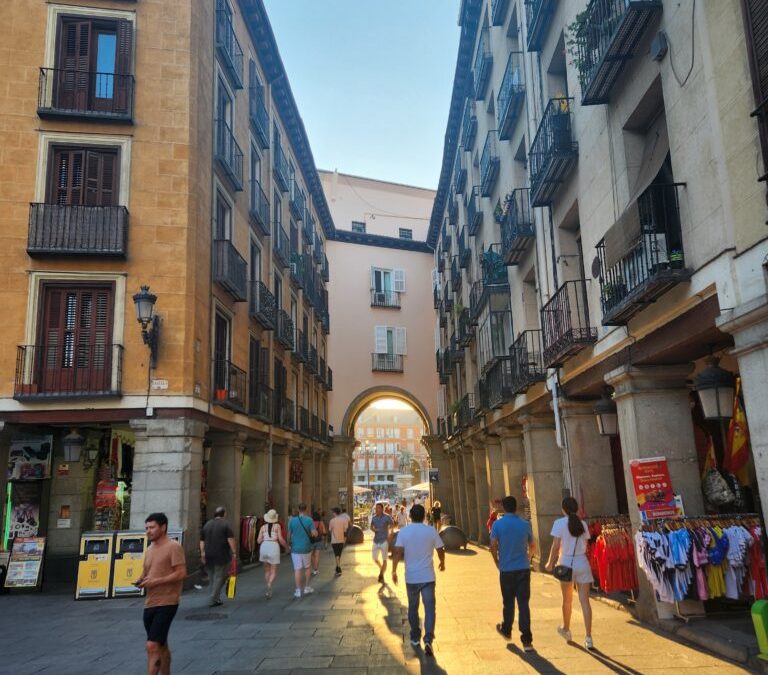
The streets of Madrid on the way to the Cyperaceae dinner
Travel always brings perspective, but international conferences have the added benefit of bringing together people from all around the world. I feel incredibly fortunate to have been able to attend IBC and have immense gratitude to the QCBS for the support it provided. I will carry the connections made and the lessons learned at the conference with me through the rest of my career, and I hope all early-career biologists receive a similar opportunity to meet the community of researchers in their chosen field.
Group photo from a conference-affiliated excursion to the Pyrenees Mountains for botanizing.
About the author:
Cassandra Bradshaw is a PhD student at the University of Ottawa and is co-supervised by Drs. Julian Starr (University of Ottawa) and Étienne Léveillé-Bourret (Université de Montréal). She is a plant systematist researching the sedge grade Fuireneae s.l. in the family Cyperaceae.
By Samantha Dizon, MSc student at McGill University
Similar to others, entomologists are incredibly passionate about their field, and many have had a lifelong love for insects from a young age. With insects being the most diverse group of animals in the world, with over a million described species, it’s no surprise that the research potential within this field is as diverse as the group. This passion-driven and diverse research can be easily found among the students at the Lyman Entomological Museum. While all of us are connected through our research and interest in insects, it was thanks to the Champion Grant with QCBS that we were given the opportunity to explore each other’s entomological expertise more thoroughly. We used the funds from the grant to help Blitz the Gap in the Mont Tremblant, Québec area, just ~5 hours North-West of Montreal. Since insects are such a large group and it would be impossible to know everything, it was thanks to our different entomological research backgrounds that we were able to utilize different collection methods and observe and identify various insect groups for iNaturalist.
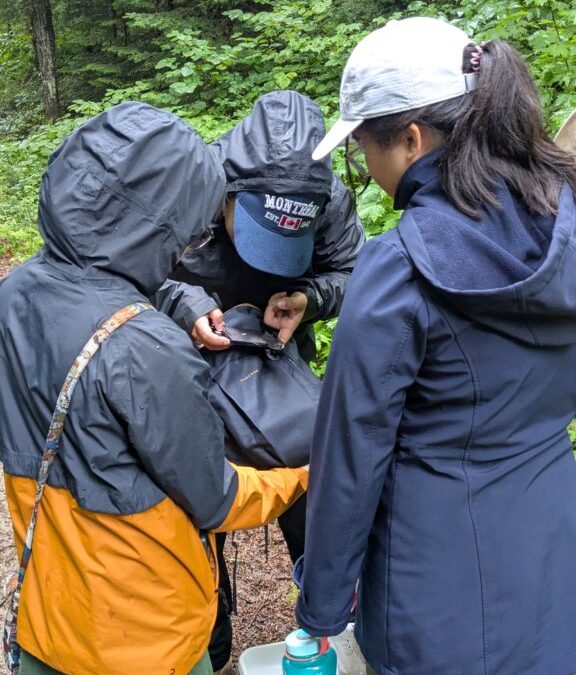
Taking a photo of an insect that landed on our backpack. Photo by Don Ran
Some of the photos of the insects we found during our trip. Photos by Alice Assmar (left), and Ruisi Yang (right)
This trip helped us gain a newfound appreciation for each other’s research and skills in entomology, which made our trip more fulfilling and engaging. A great example of this would be when our PhD candidate, Alice Assmar, with her research focused on freshwater insects, was able to lead our group to set up a white sheet trap. This allowed us to attract insects that are mostly active at night, such as moths, mayflies, and caddisflies. We were able to learn new facts and gain new collection skills, which we would not have been able to gain sitting in our lab basement office. One of the most exciting moments during our trip was when Alice spotted a spongillafly on our white sheet trap. This was an incredibly rare specimen, and despite Alice studying spongillaflies for years, this trip was the first time she had seen it alive in real life.
Setting up a white sheet trap with 2 light bulbs and 2 UV lights. Samantha Dizon (left), Don Ran (bottom left), Alice Assmar (right). Photo by Ruisi Yang
This trip was also a great way to connect and bond with our lab members. Especially when the weather was so unpredictable that weekend, with constant rain, we tried to make the best of the situation and took full advantage of the trip when we had the chance. We went on hikes around the area, took many photos of insects for iNaturalist, and appreciated being surrounded by nature. Overall, we observed some amazing insects while helping to fill gaps in our knowledge of biodiversity in Canada and created great memories along the way!
General takeaways from our team:
“I’m actually surprised by what we were able to observe during the day when it wasn’t raining. I really got a better idea of what forest insects entail, since I mainly have experience with open fields, bogs, and parks. Sometimes we would come across large groups of flies or Hymenoptera on an unsuspecting plant or location, and we would wonder what they were sensing from the spot that we couldn’t. It was a lovely experience that brought our team closer together, and I look back on that trip with fond memories and great photos.” – Don Ran
“I am grateful for this opportunity to connect with the lab as we navigated through traffic, rain, and field work. The unpredictable weather became a fun challenge for us to adapt and schedule our field outings to get the most out of the trip. I had a great time working with the team to solve whatever problem came up, whether that was setting up the light trap, making a campfire, searching for insects, or cooking dinner.” – Ruisi Yang
“I truly enjoyed visiting Mont-Tremblant National Park. I was surprised to learn that we do not know much about the insects’ diversity there. The trails in the park were beautiful, and the numerous lakes created an ideal environment for freshwater insects. Although the rain limited the ability of insects to fly, we were still able to photograph mayflies and caddisflies, which are bioindicators of water quality. Additionally, we found incredible butterflies, fireflies, and parasitoid wasps. Outside the scientific aspect, we also adventured as Girl Guides and made a fire, which was an amazing experience.” – Alice Assmar
About the author:
Samantha Dizon is a MSc. Student under the supervision of Dr. Jessica Gillung with the Lyman Lab at the Faculty of Agriculture and Environmental Sciences at McGill University. Samantha works at the Lyman Entomological Museum where her research focuses on the impacts of Quebec cranberry agricultural practices on wild pollinator diversity.
Par Gabrielle Bibeau Lapierre, étudiante à la maîtrise à l’Université de Sherbrooke
Le vendredi 26 septembre 2025, le secteur sud du campus principal de l’Université de Sherbrooke s’est transformé en terrain d’exploration mycologique à l’occasion du Mycoblitz – Édition Festival 🍄. Organisé dans le cadre du Festival de la Biodiversité – Vivants de nature et de l’initiative nationale Blitz the Gap, cet événement avait pour objectif de recenser la biodiversité fongique locale… en bonne compagnie ! En effet, tous.tes (communauté étudiante, personnel, citoyen de Sherbrooke) était la bienvenu à cette sortie éducative en plein air annoncée par affiche sur le campus principal et à travers les réseaux sociaux.
👉 Un mycoblitz, c’est quoi ?
C’est un recensement collaboratif de champignons dans une zone délimitée, réalisé sur une courte période. Une belle façon de combiner science citoyenne, apprentissage et plaisir en nature !
👉 L’Université de Sherbrooke, c’est où ?
L’Université de Sherbrooke se divise en trois campus : de la santé, de Longueuil et principal. Ce dernier se trouve au 2500 Boul de l’Université, Sherbrooke. L’université a récemment acheté de nouveaux terrains boisés au sud du campus principal. C’est dans ses boisés que s’est déroulé le mycoblitz.
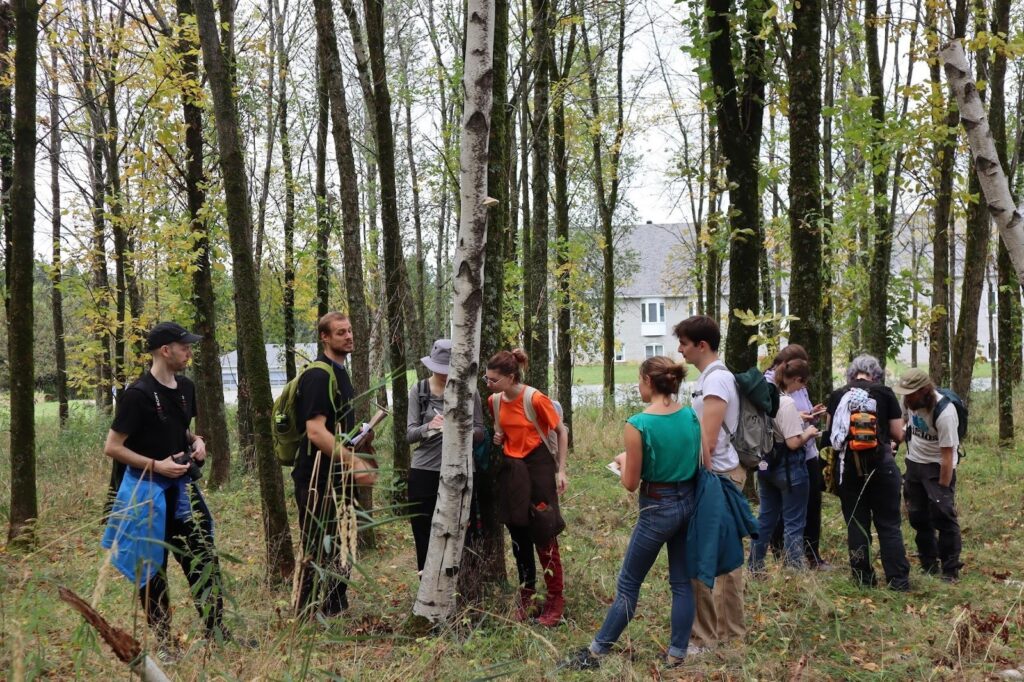
Les mycoblitz sont un milieu propice aux échanges entre mycologues curieux de tous niveaux (Crédits : Bruno Margenats)
Malgré une météo peu favorable aux champignons, près d’une vingtaine de participant·es ont répondu présent·es avec enthousiasme. Effectivement, la période estivale particulièrement sèche a nui au développement des champignons. Or, les sourires et les questions passionnées ont largement compensé le faible nombre de spécimens observés. Quelques échantillons ont tout de même été récoltés pour enrichir le fungarium de l’Université de Sherbrooke, contribuant ainsi à la connaissance et à la conservation de notre patrimoine fongique. Parmi les spécimens récoltés et identifiés à l’espèce, on peut compter, en plus des photos présentées, la trémelle à spores jaunes (Dacrymyces chrysospermus), le polypore du bouleau (Fomitopsis betulina), l’auriculaire d’Amérique (Auricularia americana) et le polypore rose (Fomitopsis rosea).
Polypore allume-feu (Fomes fomentarius; Crédits : Bruno Margenats)
Ce Mycoblitz a été rendu possible grâce au soutien des Prix Champion Blitz the Gap du Centre de la science de la biodiversité du Québec (CSBQ-QCBS), qui ont permis de financer tout le matériel nécessaire à l’activité.
Gabrielle Bibeau Lapierre est étudiante à la maîtrise en biologie à l’Université de Sherbrooke. Elle se spécialise en mycologie, en écologie et en modélisation. Curieuse et engagée, elle participe activement à des initiatives de vulgarisation scientifique, avec le désir de rendre la mycologie accessible et captivante pour tous les publics.